Deceuninck profiles: the thermal resistance required by the new Thermal Regulations in Chile
Date: March 9, 2026
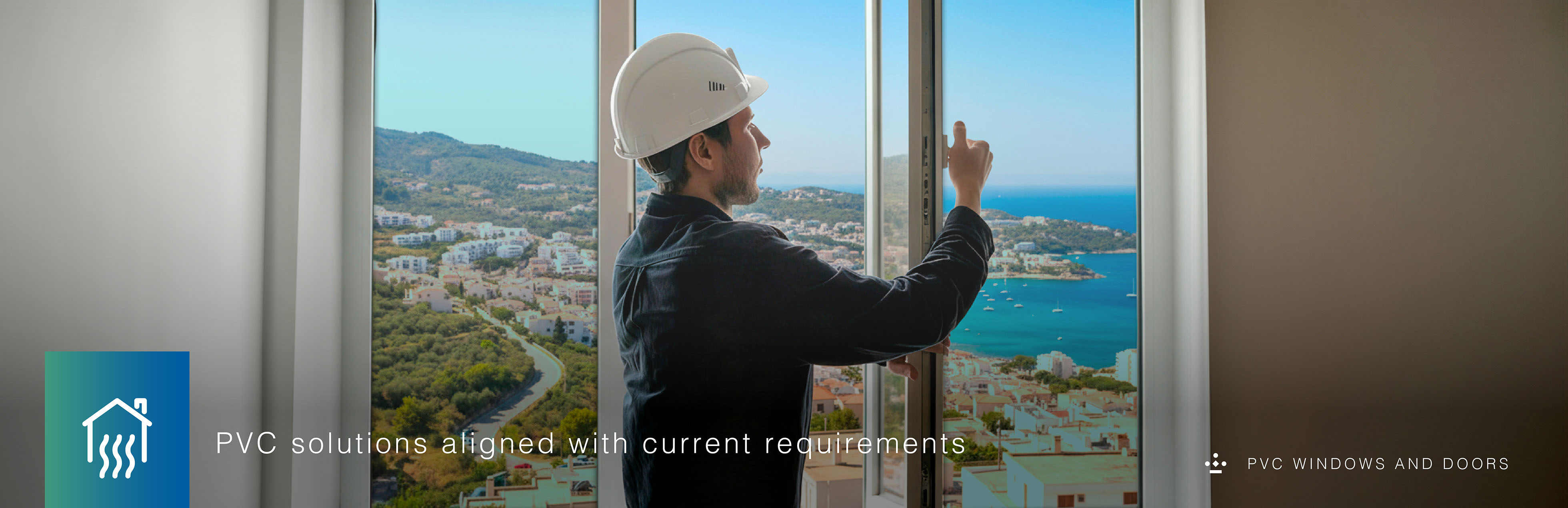

In a country with such diverse climates as Chile, ranging from the desert in the north to Patagonia in the south, the thermal performance of building envelopes and windows is key to ensuring comfort, energy efficiency, and well-being in living spaces.
In November 2025, a significant update to the Thermal Regulations came into force, contained in Article 4.1.10 of the General Ordinance on Urban Planning and Construction (OGUC), promoted by the Ministry of Housing and Urban Development (MINVU). This regulation incorporates clear requirements regarding the thermal performance of the elements that make up a building's envelope—walls, ceilings, floors, doors, and, of course, windows and their frames—with the aim of increasing energy efficiency, reducing heat loss, and improving the interior comfort of homes and public buildings such as schools and hospitals.
What is thermal resistance?
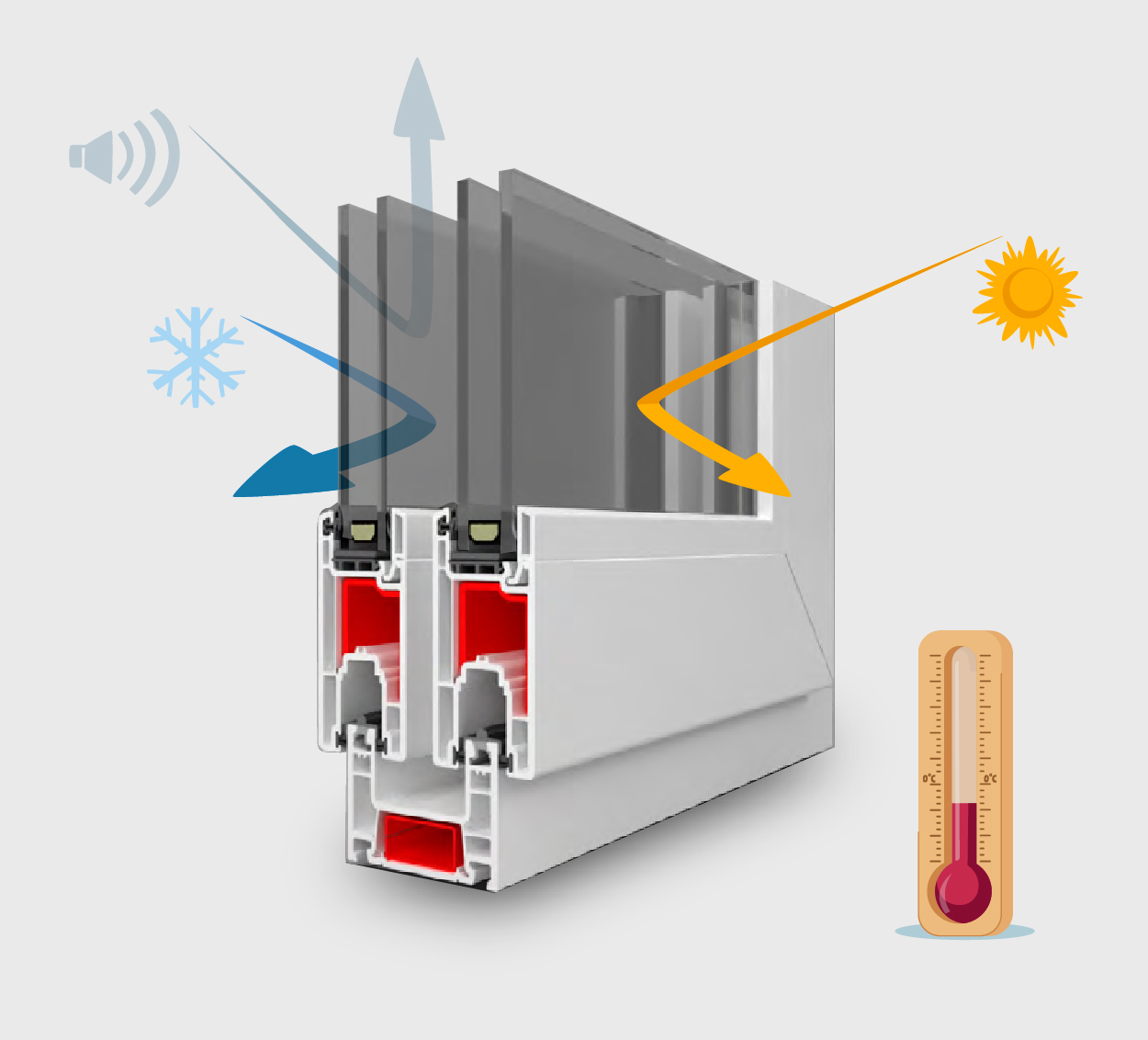
Thermal resistance (Rt) is the ability of a material or set of materials to resist heat flow. The higher the Rt value, the lower the heat transfer through a building element. This means that in winter, interior heat is better conserved, and in summer, heat gain from the outside is reduced, resulting in greater energy efficiency and lower heating or cooling consumption.
This makes window and door profiles much more than just an aesthetic or structural element: they now play a fundamental role in the overall performance of the thermal envelope.
The PVC profile systems offered by Deceuninck Chile are designed with an intelligent multi-chamber structure, which gives them high thermal resistance, significantly reducing heat transfer between the interior and exterior of the building.

What does this mean for your projects?
✔️ Greater energy efficiency: profiles with internal chambers that act as thermal barriers, reducing heat gain or loss.
✔️ Lower energy consumption: by reducing heating and cooling requirements.
✔️ Compliance with new thermal regulations.
The new Chilean Thermal Regulations represent a decisive step forward in the design and construction of more efficient, comfortable, and sustainable buildings. To comply with these standards, it is essential to consider not only the choice of traditional glass and insulation, but also high-performance profiles that provide real and verifiable thermal resistance to the entire building envelope.
With Deceuninck profile systems, your projects not only comply with regulations, but also achieve higher levels of energy efficiency and interior comfort, adding value for your customers and making a concrete contribution to the future of construction in Chile.
>>Reference Thermal Regulation
>>Reference Thermal Regulation Announcement
Related Articles


 Manufacturers
Choose a region to find your independent manufacturer
Coquimbo Region Valparaíso Region Metropolitana de Santiago Region Ñuble Region Biobío Region Araucanía Region Los Ríos Region Los Lagos Region Magallanes y la Antártica Chilena RegionLEGAL NOTICE: The manufacturers and distributors listed are independent companies that use Deceuninck systems. The end customer is free to choose from among the various available options. Deceuninck is not part of these companies, does not control them, and is not responsible for their quotes, contracts, manufacturing processes, installation, after-sales service, or the commitments they make directly to their customers.